


Introduction
Few anime series have changed the global perception of animation the way Attack on Titan did. When it first aired in 2013, many viewers expected a simple action show about humans fighting giant monsters. Instead, audiences discovered a deeply layered story filled with political conflict, moral dilemmas, shocking twists, and unforgettable characters.
Over the years, the series evolved from a survival thriller into a powerful narrative about freedom, war, and the consequences of hatred. Today, Attack on Titan is widely considered one of the most influential anime ever created.
The Story (Spoiler-Free Overview)

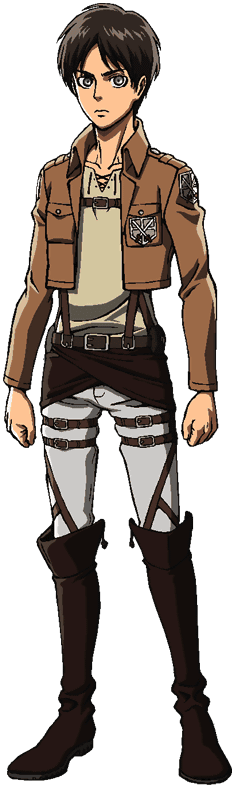
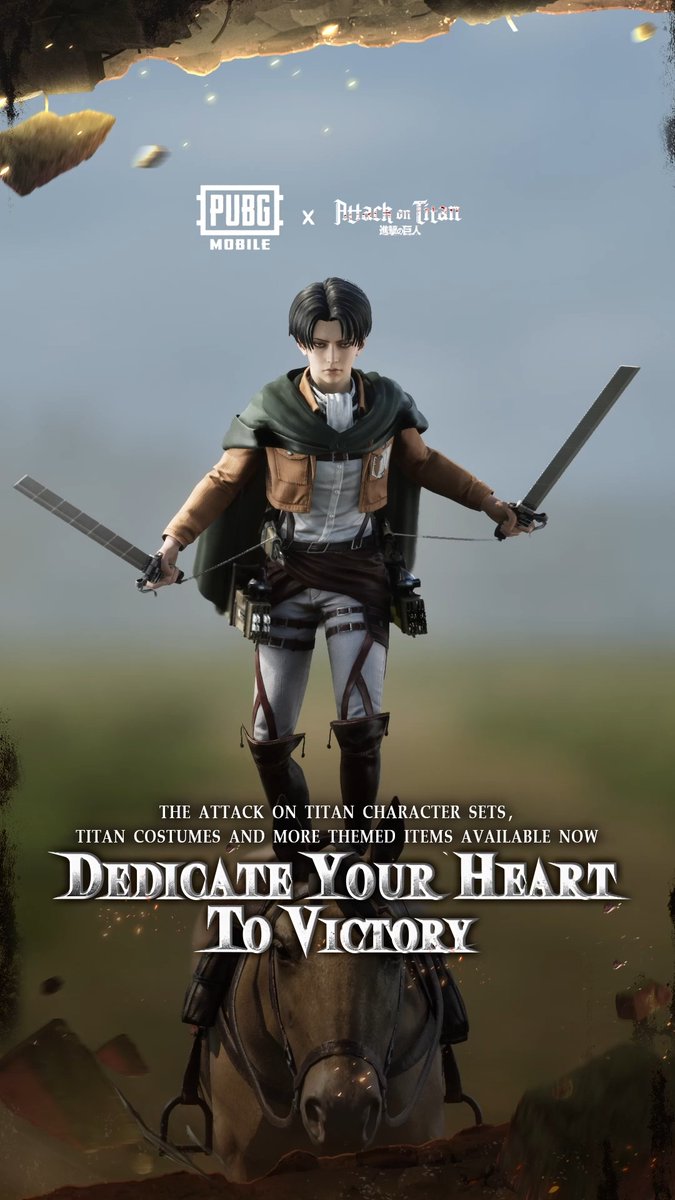
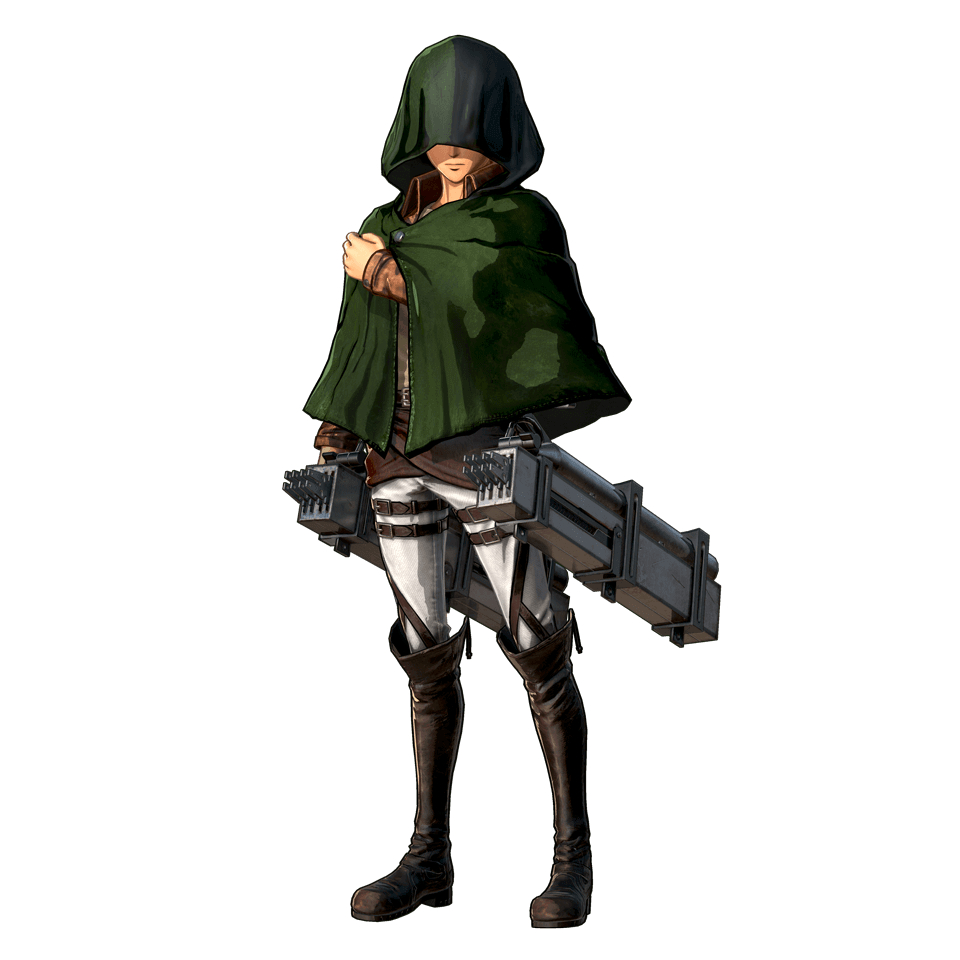
The story takes place in a world where humanity lives inside enormous walled cities to protect themselves from terrifying giants known as Titans. These creatures appear mindless and exist only to devour humans.
The main character, Eren Yeager, witnesses a tragic event that changes his life forever and pushes him to join the military’s Scout Regiment, a group dedicated to exploring the outside world and fighting Titans directly.
At first, the series focuses on survival and combat. However, as the story progresses, the mystery behind the Titans begins to unravel. The plot expands far beyond monsters and battles, eventually exploring politics, history, and human nature itself.
Why Attack on Titan Became So Popular
1) Unpredictable Storytelling
Unlike many action series, Attack on Titan refuses to follow typical anime formulas. Characters are never safe, and every season changes the viewer’s understanding of the world. Plot twists are carefully planned, and earlier episodes gain new meaning later in the story.
2) Complex Characters
Each major character has believable motivations. No one is completely good or completely evil. The series constantly asks an important question:
Is someone a villain because of their actions… or because of their circumstances?
Eren, Mikasa, Armin, and even the antagonists all grow significantly throughout the series.
3) Themes That Feel Real
The anime explores serious topics rarely handled so deeply in animation:
The cycle of revenge
The cost of war
Propaganda and nationalism
The meaning of freedom
Fear of the unknown
Because of these themes, the story often feels closer to a historical drama than a typical fantasy series.
Animation and Music

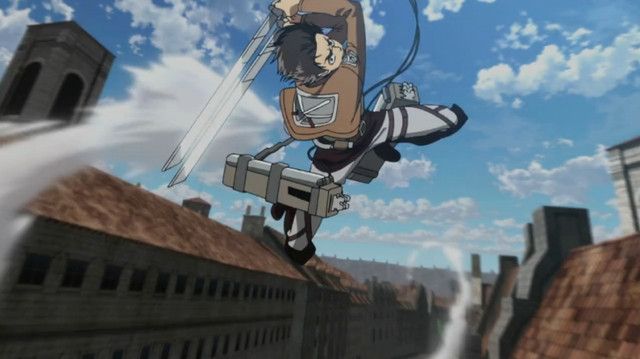
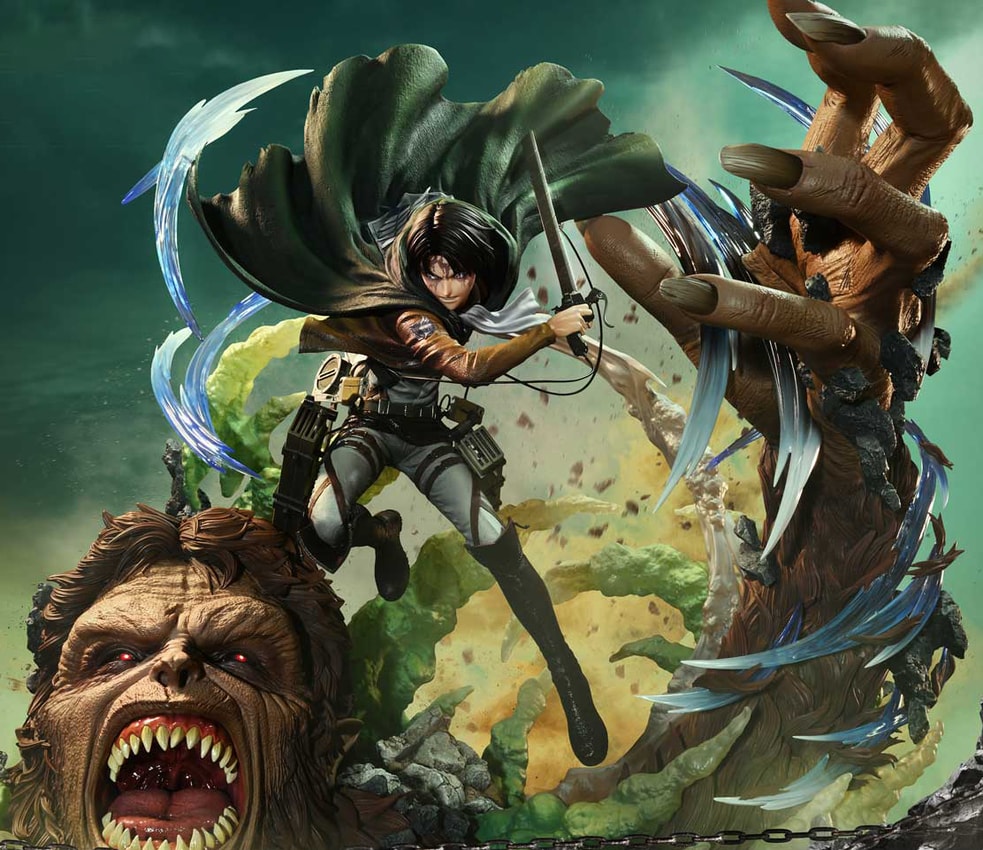
The animation quality helped push the anime into worldwide popularity. The movement system called ODM Gear allowed characters to swing through cities and forests in fast aerial combat, creating some of the most dynamic action scenes ever animated.
The soundtrack, composed by Hiroyuki Sawano and later Kohta Yamamoto, became iconic. Tracks like the opening themes and battle music are instantly recognizable even to people who rarely watch anime.
A Story About Freedom
At its core, Attack on Titan is not about Titans.
It is about freedom.
Every character defines freedom differently:
Freedom from fear
Freedom from oppression
Freedom from history
Freedom from destiny
As the narrative progresses, viewers realize the true enemy may not be monsters — but hatred, fear, and misunderstanding between people.
Cultural Impact
The series dramatically expanded anime’s international audience. Many viewers who had never watched Japanese animation before started with Attack on Titan. It became a global phenomenon across streaming platforms, social media discussions, and fan communities.
It also proved something important:
Anime can tell stories as mature and emotionally powerful as any live-action television drama.
Final Thoughts
Attack on Titan is more than just a popular anime. It is a complete narrative experience — beginning as a survival story and ending as a philosophical reflection on humanity.
Whether you enjoy action, mystery, drama, or psychological storytelling, the series offers something meaningful. Its powerful message about war, choice, and responsibility is what truly makes it unforgettable.
If you are looking for an anime that stays with you long after the final episode, Attack on Titan is essential viewing.
